A feelings thermometer printable PDF is a visual scale that helps users rate emotions from 0 to 10 or 0 to 100. It provides a quick, intuitive way to gauge mood intensity, making it useful for self‑reflectiontherapy classroom check‑ins. Downloadcustomizable it supports mentalhealthpractice

Definition and Purpose
A feelings thermometer printable PDF is a simple yet powerful tool designed to help individuals visually gauge the intensity of their emotions on a scale, typically ranging from 0 to 10 or 0 to 100. By marking a point on the thermometer, users can quickly identify how they feel at a given moment, whether they are calm, anxious, excited, or overwhelmed. This visual representation turns abstract feelings into concrete numbers, making it easier to track changes over time and communicate emotional states to therapists, teachers, or peers. The primary purpose of this printable resource is to facilitate self‑awareness and emotional regulation. It serves as a bridge between internal experience and external expression, allowing people to articulate their mood in a structured format. In therapeutic settings, the thermometer can be used as a starting point for discussion, helping clinicians assess progress and tailor interventions. In educational contexts, it encourages students to recognize and label emotions, fostering empathy and self‑management skills. The PDF format offers flexibility: it can be printed on standard paper, laminated for repeated use, or integrated into digital worksheets. Overall, the feelings thermometer printable PDF empowers users to monitor their emotional landscape, promote mindfulness, and support healthier coping strategies. By integrating this printable tool into routines, individuals can cultivate a confidence of emotional reflection, leading to conf and resilience time!!.

Design and Layout of Printable PDFs
Feelings thermometer PDFs showcase vertical scales with clear numeric markers and color gradients. Bold lines, ample spacing, and optional icons aid quick reading. The design supports 0‑10 and 0‑100 ranges, printed on paper with a border. Users can annotate beside the scale, legibility for all. now!
Standard Scale Formats (0-10, 0-100)
The most common printable feelings thermometer designs feature a vertical bar divided into either ten or one hundred equal segments. A 0‑10 scale offers a quick snapshot of emotional intensity, ideal for brief check‑ins or classroom use. The 0‑100 format provides finer granularity, allowing users to pinpoint subtle shifts in mood or anxiety levels. Each segment is labeled with a number, and the entire bar is shaded with a gradient that transitions from cool blues at the low end to warm reds at the high end. This visual cue helps people instantly assess their position without reading numbers. The printable PDFs are formatted for standard A4 or letter paper, ensuring they fit easily into a binder or clipboard. Users can print in color or black‑and‑white, depending on preference or resource availability. The design also incorporates a small icon area on the left side of the scale, where a simple emoticon or symbol can be added to represent the general feeling. This optional feature is especially useful for children or clients who benefit from visual symbols. Additionally, the PDFs include a header that states the purpose of the tool, such as “Rate Your Mood Today,” and a footer with space for notes or a date stamp. The overalllayout prioritizes clarity, with thick lines separating each segment and a bold outline around the entire thermometer. By offering both0‑10and0‑100 options, practitioners and educators can choose the level of detail that best fits their assessment needs!!!
Applications in Mental Health Settings
Feelings thermometers in mental health settings enable clinicians to quickly assess client mood, track progress, and guide interventions. Printable PDFs allow easy distribution in therapy rooms, support group meetings, and telehealth sessions, fostering self‑awareness and data‑driven care. for alls!
Therapeutic Use in CBT and Counseling
Feelings thermometers are a staple in CBT therapy, offering a concrete metric for clients to articulate emotional states. By marking a point on a 0‑10 or 0‑100 scale, clients can quickly convey intensity, enabling therapists to identify patterns, triggers, progress over time. The simplicity of the tool reduces cognitive load, allowing focus on underlying thoughts behaviors rather than abstract vocabulary. In counseling sessions, the thermometer can serve as a baseline before exploring cognitive distortions, helping to anchor discussions in measurable data. Therapists often use the scale to set SMART goals: for example, reducing anxiety from a 7 to a 4 within a month. The feedback supports self‑efficacy, as clients see tangible evidence of change. Additionally, the thermometer facilitates collaborative problem‑solving; clients therapists jointly examine the factors that elevate or lower the reading, fostering insight into coping strategies. During exposure exercises, the scale can track physiological arousal, guiding the pace of exposure ensuring safety. In group settings, shared thermometers promote empathy, as members observe each other’s emotional trajectories. The printable PDF format allows easy distribution, customization, and integration into worksheets, homework assignments, or platforms. Overall, the feelings thermometer enhances the therapeutic alliance, provides a common language, and accelerates measurable outcomes in CBT and counseling!!!
Educational Uses for Children and Teens
Feelings thermometers help kids identify emotions, track mood swings, and practice self‑regulation. Teachers use printable PDFs to create classroom charts, encouraging discussion and empathy. Students mark feelings before and after activities, fostering emotional literacy and resilience. for growth now!
Self‑Monitoring in Classroom Environments
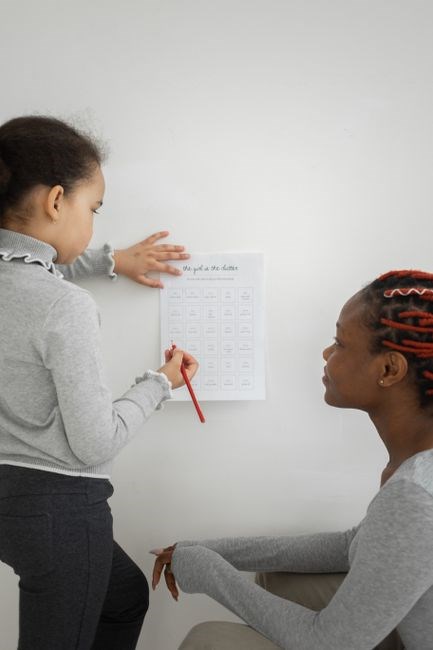
In classroom settings, a printable feelings thermometer allows students to chart their emotional states before, during, and after lessons. By marking a point on a 0‑10 scale, learners gain awareness of stressors, excitement, or confusion. Teachers can display a large copy on the board, encouraging group reflection. Students privately fill out a sheet each day, noting triggers and coping strategies. This routine supports metacognition, enabling pupils to recognize patterns and request support. The PDF format is versatile: it can be printed on standard A4 paper, laminated for reuse, or distributed digitally for home practice. Consistent use promotes emotional literacy, reduces anxiety, and fosters a supportive classroom culture; Schools report increased engagement when students see their progress visually. The tool also aligns with social‑emotional learning frameworks, providing measurable data for educators to tailor interventions. By integrating the thermometer into daily check‑ins, teachers create a low‑threat space where feelings are normalized and discussed openly. This practice strengthens self‑regulation skills, improves focus, and enhances overall academic performance. Students can also share their thermometer entries in small groups, fostering peer support and collaborative problem‑solving. Moreover, teachers can track aggregate data over time to identify trends and adjust instructional strategies accordingly, ensuring that emotional well‑being remains a priority in learning environment.

Workplace Emotional Check‑Ins
A printable feelings thermometer helps staff gauge stress and focus daily. Managers review aggregated scores to spot burnout, adjust workloads, and nurture a supportive culture. Quick check‑ins during meetings promote honest self‑reporting and well‑being.
Team Building and Managerial Tools
The feelings thermometer printable PDF serves as a versatile team‑building instrument. By having each member rate their current emotional state on a 0‑10 or 0‑100 scale, leaders can quickly identify collective mood trends. When plotted on a shared board, the thermometer highlights peaks of enthusiasm or valleys of fatigue, prompting targeted interventions. Managers can use the data to schedule breaks, redistribute tasks, or initiate brief mindfulness exercises. During retrospectives, the thermometer becomes a neutral visual cue that encourages honest discussion about workload, collaboration, and morale. It also supports inclusive communication, as the simple numeric scale transcends language barriers and reduces stigma around expressing feelings. For remote teams, the printable PDF can be shared digitally, allowing asynchronous updates that feed into a central dashboard. By integrating the thermometer into regular check‑ins, organizations cultivate a culture of psychological safety and proactive support, ultimately boosting engagement, productivity, and employee retention. It promotes a culture where feelings are shared openly, leading to stronger teamwork.!!?? The PDF format allows for easy customization, enabling teams to adjust scale labels, add icons, or integrate brief prompts. It can be printed on thick paper or laminated for durability, ensuring frequent use. Teams often share the thermometer in shared spaces, creating a visible reminder of collective emotional health. It also serves as morale daily booster.

Customizing Your Thermometer
Add vibrant colors to each scale level, choose icons that resonate with your team, and insert prompts to guide reflection. Adjust the scale range, swap numeric labels for emojis, or embed a short question. Customize layout to match brand identity and calm!!
Color Coding, Icons, and Writing Prompts
When tailoring a feelings thermometer printable PDF, start with a clear color palette. Assign a soothing blue to low intensity, a vibrant orange to moderate levels, and a deep red for high emotions. This visual cue helps users instantly recognize their mood range. Next, add icons that mirror the scale—tiny hearts, clouds, or lightning bolts—to reinforce emotional states. Icons serve as quick reference points, especially for younger audiences or those with reading challenges. Finally, embed concise writing prompts beside each segment. For example, “What triggered this feeling?” or “What can you do to feel better?” These prompts encourage reflection and deeper self‑awareness. Just as the Citroën e‑Méhari offers multiple color choices and design tweaks, your thermometer can be customized to match brand colors or classroom themes, making the tool engaging and relatable. Remember to keep the layout uncluttered, use legible fonts, and test print on standard A4 paper to ensure the scale remains accurate and visually appealing By integrating seasonal themes—such as pastel hues for spring or warm tones for autumn you can keep the thermometer fresh and relevant throughout the year Additionally, embedding a small QR code that links to a mood‑tracking app or a calming audio clip can transform a static PDF into an interactive experience, encouraging users to engage daily and reflect on their emotional journey Use bright colors for high levels to motivate change.

Printing Tips and Resources
Use high‑resolution PDF, choose A4 paper, set bleed to 0.5cm, print in CMYK for color accuracy, test on a draft sheet, laminate for durability, and provide a printable template link. Print on matte cardstock for a professional look, and add a QR code for sharing.
Choosing the right paper and print settings is essential for a feelings thermometer printable PDF that looks professional and lasts. A thick, matte cardstock (200‑250 gsm) resists tearing and provides a smooth surface for writing or coloring. If the thermometer will be used frequently, consider laminating the sheet or using a clear protective sleeve to preserve the colors and prevent smudging. For the PDF itself, download a high‑resolution file (300 dpi or higher) from reputable sources such as Canva, Adobe Stock, or educational resource sites that offer free templates. Verify that the PDF is vector‑based; this ensures that scaling to different paper sizes does not degrade line quality. When printing, set the printer to “high quality” mode and use the correct color profile (CMYK for color thermometers, grayscale for black‑and‑white). Test print a single sheet first to confirm that the scale numbers align correctly and that the colors appear as intended. If you need a custom design, many online platforms allow you to upload your own artwork and export a print‑ready PDF. Always keep a backup copy in both PDF and editable formats (e.g., .ai or .psd) so future adjustments can be made without re‑designing from scratch. By combining durable materials with reliable PDF sources, you create a tool that is both visually appealing and functional for long‑term use. When reprinting, use a matte finish to reduce glare, and double‑check scale markers for consistency across copies. and ensure color accuracy on sheets!!