
The Notifier AFP-200 is an addressable fire alarm control panel, offering robust life safety solutions. Documentation from October 2002 details its installation and operation.
Overview of the AFP-200 System
The Notifier AFP-200 system represents a significant advancement in fire alarm technology, utilizing addressable components for precise detection and control. This analog panel, documented in the October 14, 2002 manual (Document 15511, Revision H2), integrates smoke detectors, heat detectors, manual pull stations, and audible warning devices.
Its core function is providing early warning of developing fires, often coupled with remote notification capabilities. Located at 12 Clintonville Road, Northford, CT, Notifier (TEL 203-484-7161, FAX 203-484-7718) designs systems for comprehensive fire protection, though it’s crucial to remember it doesn’t replace fire insurance.
Key Features and Capabilities
The Notifier AFP-200 boasts advanced features for reliable fire detection and system management. As an addressable system, it pinpoints the exact location of an alarm, reducing investigation time. The panel supports a wide range of Notifier devices, enhancing flexibility in system design.
Remote notification capabilities ensure prompt alerts to monitoring stations. Programmable cause-and-effect matrices allow customized responses to various alarm conditions. The system’s software type codes (detailed in Appendix A) facilitate configuration. While offering early warning, remember the AFP-200 doesn’t substitute for comprehensive fire insurance coverage.

Installation Guidelines
Proper installation of the AFP-200 requires adherence to specific wiring and mounting procedures, detailed in the installation manual, ensuring optimal system performance.
Panel Mounting and Wiring Requirements
Securely mount the Notifier AFP-200 panel, referencing the manual for appropriate enclosure dimensions and clearances. Wiring must comply with local codes and the National Fire Protection Association (NFPA) standards. Utilize the correct gauge wiring for all connections, ensuring proper termination at the panel’s terminal blocks.
Pay close attention to the power supply wiring, including battery backup connections, as detailed in the documentation. Grounding is critical for safety and proper operation. Maintain separation between power-limited and non-power-limited circuits. Careful attention to these requirements guarantees a reliable and code-compliant installation, maximizing system effectiveness.
Device Addressing and Configuration
Proper device addressing is crucial for the Notifier AFP-200’s functionality. Each detector, pull station, and module requires a unique address programmed into the system. Utilize the panel’s software to assign these addresses, avoiding duplicates. Configuration involves defining each device’s type – smoke detector, heat detector, etc. – and associated zone assignments.
Refer to the manual’s Software Type Codes (Appendix A) for specific programming parameters. Accurate configuration ensures correct identification during alarm events and facilitates efficient troubleshooting. Incorrect addressing or configuration can lead to false alarms or system failures, compromising safety.
Battery Backup and Power Supply
The Notifier AFP-200 requires a reliable power source, including a battery backup system for uninterrupted operation during power outages. The panel’s power supply must meet specified electrical characteristics, detailed in the technical specifications. Regularly inspect the batteries for proper charge and replace them according to the manufacturer’s recommendations.
Ensure the battery backup provides sufficient power to operate all connected devices for the required duration, typically 24 hours. Proper grounding is essential for safety and system stability. A failing power supply or battery can compromise the entire fire alarm system’s effectiveness.
System Programming and Configuration
Programming the AFP-200 involves utilizing software type codes (Appendix A) to define system behavior, zone configurations, and cause-and-effect relationships effectively.
Software Type Codes (Appendix A Reference)
The Notifier AFP-200 relies heavily on software type codes for device configuration and system functionality. These codes, detailed in Appendix A of the installation manual, dictate how each device interacts within the fire alarm system. They define device characteristics, communication protocols, and alarm/trouble responses.
Properly assigning these codes is crucial during system setup. Incorrect codes can lead to misidentification of devices, false alarms, or a failure of the system to respond correctly during an emergency. The manual provides a comprehensive list of available codes and their corresponding functions, enabling technicians to tailor the system to specific building requirements and safety standards. Careful reference to Appendix A is essential for successful programming.
Zone Programming and Sensitivity Settings
Effective zone programming is vital for pinpointing fire locations with the Notifier AFP-200. Each zone represents a specific area within the protected building, allowing for rapid response by emergency personnel. The system allows for customized sensitivity settings for each detector within a zone, optimizing performance based on environmental factors and occupancy type.
Adjusting sensitivity prevents nuisance alarms caused by non-fire events like steam or dust, while ensuring reliable detection of actual fires. The manual details procedures for defining zones, assigning devices, and configuring sensitivity levels. Proper programming ensures accurate alarm identification and minimizes false activations, enhancing overall system reliability and occupant safety.
Cause and Effect Matrix Configuration
The AFP-200’s cause and effect matrix is central to defining the system’s response to various events. This matrix dictates which actions occur when specific devices activate or conditions are met – for example, a smoke detector triggering notification appliances and HVAC shutdown. Careful configuration ensures a coordinated and appropriate response to fire events.
The manual guides users through creating customized scenarios, linking input causes (detector activations, manual pulls) to output effects (alarm relays, notification sequences). Proper matrix setup is crucial for life safety, ensuring the system behaves predictably and effectively during an emergency. Thorough testing of programmed scenarios is highly recommended.

Operation and Monitoring
Normal system operation involves continuous self-monitoring. Status banners, detailed in Appendix B, provide crucial information regarding system health and any active conditions;
Understanding Status Banners (Appendix B Reference)
The AFP-200 utilizes a comprehensive status banner system for clear system indication. Appendix B of the installation manual provides a detailed reference guide to interpreting these banners. These banners display critical information regarding system status, including alarm conditions, trouble alerts, and supervisory signals. Understanding these indicators is paramount for effective monitoring and response.
Different banner displays signify various events, allowing technicians and personnel to quickly assess the situation. Proper interpretation ensures prompt action, minimizing potential risks. Referencing Appendix B is crucial for accurate diagnosis and efficient troubleshooting, ultimately contributing to a safer environment.
Normal System Operation
During normal operation, the Notifier AFP-200 continuously monitors all connected devices – smoke detectors, heat detectors, and pull stations – for any changes in status. The system performs routine self-diagnostics, ensuring all components are functioning correctly. A stable system will display a normal, or “OK,” status on the control panel’s display, indicating no alarms or troubles are present.
Regular walk tests should be conducted to verify the proper operation of manual pull stations and audible warning devices. These tests confirm the system’s ability to effectively alert occupants in the event of an emergency, maintaining a reliable and responsive fire safety system.
Alarm and Trouble Conditions
The Notifier AFP-200 clearly differentiates between alarm and trouble conditions. An alarm indicates a potential fire event, triggering audible warnings and potentially notifying the fire department. The panel displays the specific zone and device initiating the alarm. Trouble conditions, however, signal issues like low battery, communication faults, or device malfunctions – requiring attention but not necessarily indicating an immediate fire.
Understanding the status banners (refer to Appendix B) is crucial for quickly identifying the nature of the condition. Promptly addressing trouble conditions ensures continued system reliability and responsiveness during a genuine emergency, safeguarding lives and property.
Manual System Functions
The AFP-200 allows manual control, including initiating a manual evacuate procedure and performing system resets after an alarm event, as outlined in the manual.
Manual Evacuate Procedure
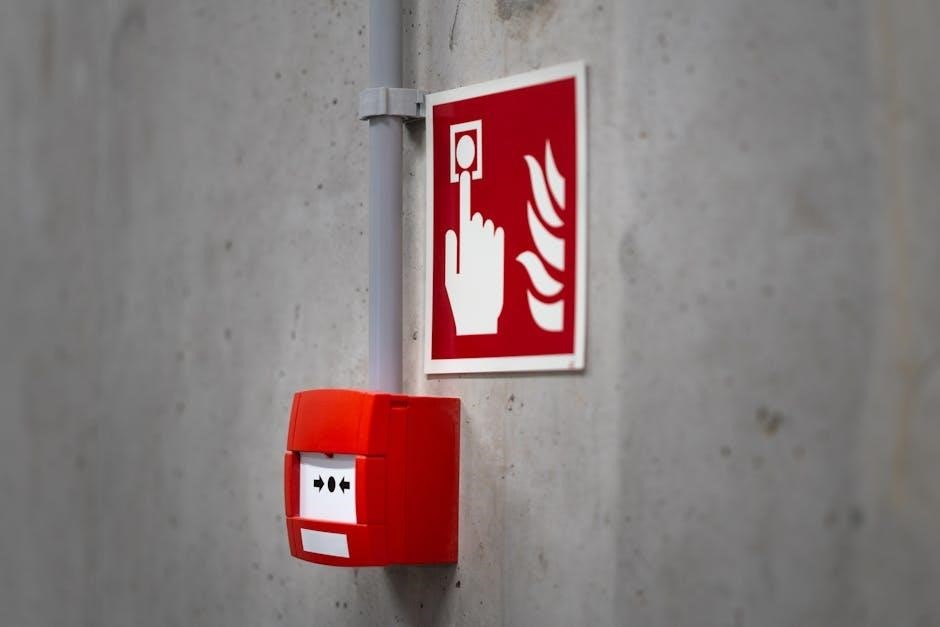
Initiating a manual evacuation with the Notifier AFP-200 involves activating the designated manual pull stations strategically placed throughout the protected premises. Upon activation, the control panel immediately transitions to the evacuation state, initiating audible warning devices – horns, strobes, or speakers – to alert occupants.
This procedure overrides normal system operation, ensuring a swift and coordinated response. The panel’s programming dictates the specific sequence of events during evacuation, potentially including door unlocking or HVAC system shutdown. Refer to the system’s cause and effect matrix for detailed configuration. Proper training for authorized personnel is crucial for effective execution of this life-saving function, as detailed in section 10.5 of the documentation.
System Reset and Acknowledgement
Following an alarm or trouble condition, the Notifier AFP-200 requires a system reset to return to normal operation. This process typically involves using a key or authorized access code at the control panel. Before resetting, it’s vital to investigate and rectify the initiating cause to prevent recurrence.
Acknowledgement of trouble conditions silences the audible indicators, but doesn’t clear the fault; a reset is still needed. The panel’s status banners (refer to Appendix B) provide crucial information regarding the nature of the condition. Proper documentation of reset actions is recommended for maintenance records and future troubleshooting efforts, ensuring system reliability and compliance.
Troubleshooting Common Issues
Addressing problems with the AFP-200 often involves checking wiring, communication errors, and device faults. Careful investigation and referencing the manual are key.
Identifying and Resolving Wiring Problems
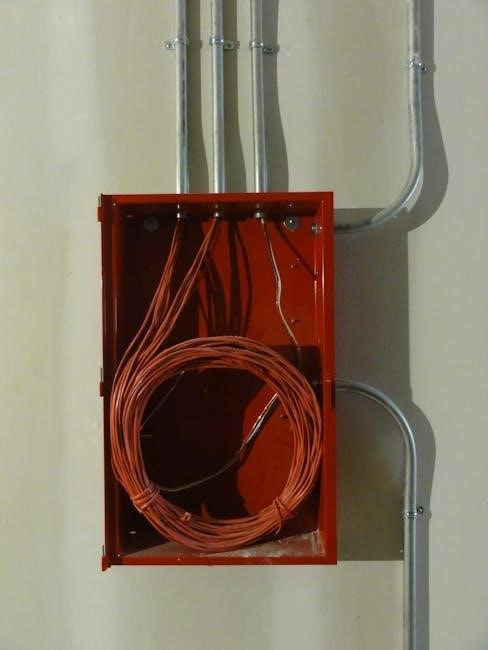
When troubleshooting the Notifier AFP-200, wiring issues are frequently encountered. Begin by meticulously inspecting all connections at the panel, devices, and junction boxes. Look for loose wires, corrosion, or damaged insulation. Verify correct wiring polarity and adherence to the system’s wiring diagrams.
Utilize a multimeter to test for continuity and shorts in wiring circuits. Incorrect wiring can lead to false alarms or communication failures. Ensure proper grounding throughout the system. If issues persist, consult the installation manual for specific wiring configurations and troubleshooting steps related to the AFP-200. Remember to disconnect power before working with wiring.
Addressing Communication Errors
Communication errors within the Notifier AFP-200 system often manifest as device faults or inability to access system information. First, verify the communication wiring – typically a twisted pair – for breaks or shorts. Check the device address programmed in the panel against the physical address on the device itself; mismatches cause failures.
Inspect the panel’s communication bus for proper termination. Utilize the panel’s diagnostic tools to pinpoint the source of the error. If the issue persists, a software glitch might be present; consider a system reboot. Refer to the AFP-200 installation manual for detailed troubleshooting guidance and specific error code definitions.
Troubleshooting Device Faults
Device faults on the Notifier AFP-200 require systematic investigation. Begin by checking the device’s power supply and wiring connections, ensuring they are secure and undamaged. Utilize the panel’s built-in diagnostic features to identify the specific fault code and affected device. A “dirty” device may require cleaning or replacement.
Verify the device’s address is correctly programmed within the panel’s configuration. If the fault persists, attempt to isolate the device by temporarily removing it from the loop. Consult the AFP-200 installation manual for detailed troubleshooting steps and specific fault code interpretations. Remember to document all actions taken.
Fire Alarm System Limitations
A fire alarm system, like the Notifier AFP-200, offers early warning but isn’t a substitute for fire insurance, providing crucial, yet limited, protection.
Importance of Fire Insurance
While the Notifier AFP-200 fire alarm system significantly enhances fire safety, it’s crucial to understand its limitations. The system provides early detection and notification, potentially minimizing damage and saving lives, but it doesn’t eliminate the risk of fire altogether.
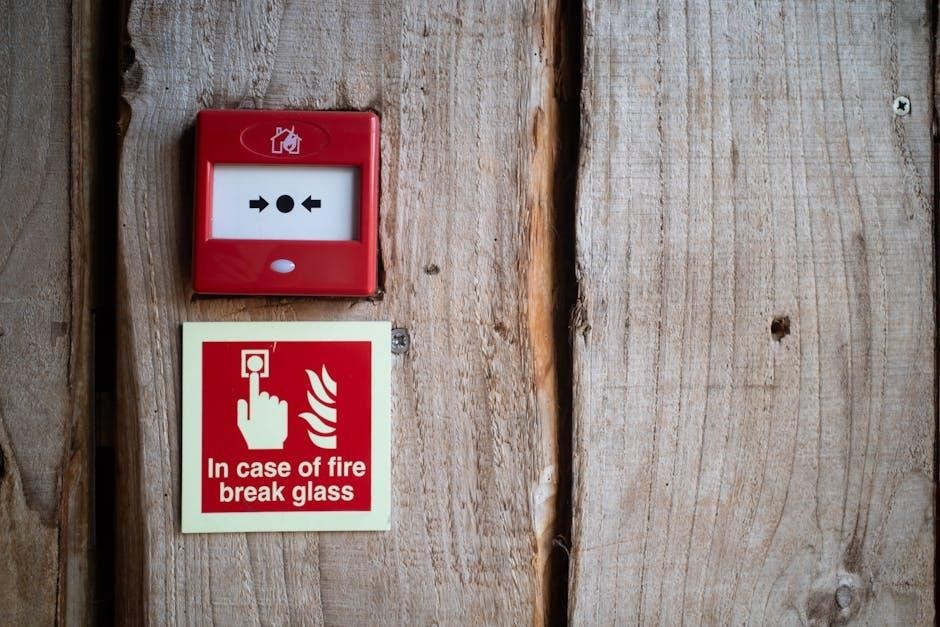
Fire insurance remains a vital component of a comprehensive safety plan. It provides financial protection to cover property loss, repair costs, and potential liabilities resulting from a fire event. Relying solely on a fire alarm system, even a sophisticated one like the AFP-200, without adequate insurance coverage, can lead to substantial financial hardship in the event of a fire. Insurance safeguards your assets and future.
System as an Early Warning Tool
The Notifier AFP-200 fire alarm system functions as a critical early warning tool, comprised of interconnected components like smoke detectors, heat detectors, manual pull stations, and audible warning devices. This integrated system actively monitors protected premises for signs of fire, providing rapid notification to occupants and potentially alerting emergency services.
Early detection is paramount in minimizing fire damage and ensuring occupant safety. The AFP-200’s advanced capabilities, including addressable devices and sophisticated programming, enable precise fire location identification and a swift, coordinated response. This proactive approach significantly increases the chances of safe evacuation and effective fire suppression, ultimately protecting lives and property.

Technical Specifications
The AFP-200, manufactured at 12 Clintonville Road, Northford, CT, features specific physical dimensions and electrical characteristics detailed in installation documentation.
Physical Dimensions and Weight
Detailed physical specifications for the Notifier AFP-200 are crucial for proper installation and enclosure selection. While precise dimensions aren’t explicitly stated in the provided snippets, understanding the panel’s size is vital for mounting considerations. The manufacturing location, 12 Clintonville Road, Northford, CT, suggests a standard cabinet size typical of fire alarm control panels of that era.
Weight is also a factor, impacting mounting hardware requirements and shipping logistics. Technicians should consult the complete installation manual (Document 15511, Rev: H2, dated 10/14/2002) for exact measurements and weight specifications to ensure a secure and compliant installation. Proper physical support is essential for reliable system operation.
Electrical Characteristics
The Notifier AFP-200’s electrical requirements are fundamental to its reliable operation. The system necessitates a stable power supply, with battery backup provisions for uninterrupted functionality during power outages. Specific voltage and current demands, along with battery capacity recommendations, are detailed within the comprehensive installation manual (Document 15511, Rev: H2, dated 10/14/2002).
Proper grounding is critical for safety and performance. Technicians must adhere to all applicable electrical codes and standards during installation. Understanding the panel’s power consumption is essential for calculating appropriate circuit loading and ensuring adequate power distribution. Refer to the manual for detailed electrical specifications.

Resources and Documentation
The Notifier AFP-200 installation manual (Document 15511) is readily available for download, providing comprehensive guidance. Contact Notifier support for assistance.
Downloading the Installation Manual
Accessing the Notifier AFP-200 installation manual is crucial for proper system setup and maintenance. Fire Alarm Resources provides a convenient platform to download the PDF version of Document 15511, dated October 14, 2002. This manual details everything from panel mounting and wiring requirements to advanced system programming.
Ensure you obtain the correct revision (H2) for accurate information. The downloadable manual covers device addressing, cause and effect matrix configuration, and troubleshooting procedures. Having this document readily available will streamline the installation process and facilitate efficient system management, ensuring optimal performance and reliability of your fire alarm system.
Contacting Notifier Support
For direct assistance with the AFP-200 system, reaching out to Notifier support is essential. The company, a leading provider of intelligent fire alarm systems, can address complex technical queries. You can connect with them via telephone at (203) 484-7161 or by fax at 203.484.7718, referencing their address at 12 Clintonville Road, Northford, CT 06472.
Notifier’s expertise ensures proper system functionality and adherence to safety standards. They can provide guidance on software type codes, status banner interpretations, and resolving communication errors. Utilizing their support network guarantees a reliable and effectively maintained fire safety infrastructure.