The Modern Guide to Witchcraft: An Overview (Updated 03/09/2026)
Today’s witchcraft encompasses diverse practices, from medieval roots to modern Wicca and beyond, including online communities and teenage explorations of magical arts․
What is Modern Witchcraft?
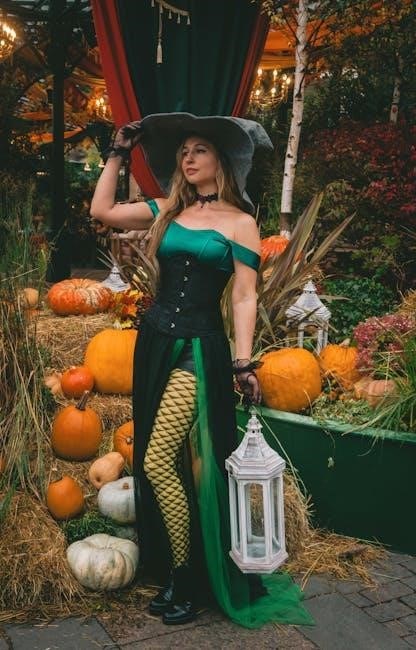
Modern witchcraft is a vibrant and evolving spiritual path, a far cry from the stereotypical images often portrayed․ It’s a reclamation of ancient practices, interwoven with contemporary beliefs and personal experiences․ It isn’t about bubbling cauldrons and wicked spells, but rather about connecting with nature, harnessing personal power, and living in harmony with the universe․
This practice encompasses a wide spectrum of traditions and approaches, from organized religions like Wicca to solitary paths like Hedge Witchcraft․ It’s a deeply personal journey, often involving spellcasting, divination, herbalism, and ritual work․ Modern witches are found everywhere – they are the Etsy shop owners, the teenagers exploring their spirituality, and individuals seeking a deeper connection to the earth and themselves․ It’s a resurgence of ancient wisdom, adapted for the modern world․
Dispelling Common Myths About Witches
Many misconceptions surround modern witchcraft, fueled by historical inaccuracies and fictional portrayals․ The image of the cackling, wart-nosed crone is a relic of the past, a product of fear and misunderstanding․ Modern witches are not evil, nor do they worship Satan – in fact, many are deeply spiritual individuals connected to nature and benevolent forces․
The practice isn’t about curses and hexes, though protective magic exists․ It’s primarily focused on empowerment, healing, and positive change․ It’s also not solely a female practice; men are increasingly embracing witchcraft as a path of self-discovery․ Witchcraft isn’t a monolithic religion, but a diverse collection of beliefs and practices, often deeply personal and individualized, challenging outdated stereotypes․
Historical Roots of Witchcraft
Witchcraft’s history spans ancient paganism, medieval hunts, and a 20th-century revival, shaping modern practices and beliefs about magic and spirituality․
Ancient Origins: Paganism and Shamanism
The earliest roots of witchcraft lie deeply embedded within the ancient world’s spiritual practices․ Before organized religion as we know it, communities thrived on animistic beliefs – recognizing spirits in nature, animals, and objects․ Pagan traditions, diverse and localized, honored the cycles of nature and the divine feminine, often involving ritual and reverence for the earth․
Shamanism, prevalent across cultures, involved individuals entering altered states of consciousness to interact with the spirit world for healing, guidance, and problem-solving․ These early practices weren’t necessarily labeled “witchcraft,” but they contained core elements – connection to unseen forces, ritualistic practices, and the use of altered states – that would later influence its development․ The knowledge of herbs, healing, and divination were central to both pagan and shamanic traditions, forming a foundational layer for modern witchcraft’s eclectic approach․
The Medieval Witch Hunts and Their Impact
The Medieval Witch Hunts represent a dark chapter profoundly impacting the perception of witchcraft․ Beginning in the 14th century and peaking in the 16th and 17th, these persecutions, fueled by religious fervor and societal anxieties, led to the torture and execution of tens of thousands accused of practicing maleficium – harmful magic․
Often, those accused were marginalized individuals, particularly women, healers, and those who didn’t conform to societal norms․ The hunts weren’t about suppressing genuine magical practice, but rather controlling dissent and reinforcing power structures․ This period created lasting trauma and a negative stereotype of witches as evil and dangerous․ Despite this, underground traditions persisted, and the memory of these injustices continues to shape modern witchcraft’s emphasis on reclaiming power and honoring ancestral wisdom․
The Revival of Witchcraft in the 20th Century
The 20th century witnessed a significant resurgence of witchcraft, largely spurred by Gerald Gardner’s publication of “Witchcraft Today” in 1954․ Gardner synthesized folklore, ceremonial magic, and Freemasonry to create Wicca, a modern Pagan religion emphasizing reverence for nature and the divine feminine․
This revival coincided with broader countercultural movements, offering an alternative spirituality rejecting traditional religious dogma․ Authors like Doreen Valiente further developed Wiccan theology and practice․ The feminist movement embraced witchcraft as a means of reclaiming female power and challenging patriarchal structures․
This period saw the growth of covens and solitary practitioners, laying the foundation for the diverse landscape of modern witchcraft we see today, including the “Etsy witches” and teenage explorations․
Different Paths Within Modern Witchcraft
Modern witchcraft isn’t monolithic; it branches into Wicca, hedge witchcraft, kitchen witchcraft, and eclectic paths, each offering unique approaches to magical practice and belief․
Wicca: The Most Well-Known Tradition
Wicca stands as the most publicly recognized branch of modern witchcraft, emerging in the mid-20th century largely through the work of Gerald Gardner․ It’s a duotheistic religion, revering both a God and a Goddess, often seen as complementary forces representing masculine and feminine energies․
Central to Wiccan practice are the Sabbats – eight seasonal festivals marking key points in the Wheel of the Year – and Esbats, rituals performed during the full moon․ Wiccans typically work with natural energies, honoring the Earth and its cycles․
A core ethical principle is the Wiccan Rede: “An it harm none, do what ye will,” emphasizing personal responsibility and the avoidance of harmful magic․ Wicca often involves ritual magic, spellcasting, and a deep connection to the natural world, making it a compelling path for many modern practitioners․
Hedge Witchcraft: Solitary Practice and Herbalism
Hedge witchcraft represents a deeply personal and often solitary path, rooted in folklore and a close relationship with the spirit world․ The term “hedge” refers to crossing boundaries – venturing between the worlds to gain wisdom, healing, and power․ Unlike structured traditions like Wicca, hedge witches typically don’t adhere to specific dogma or covens․
A significant focus lies on herbalism, utilizing plants for medicinal and magical purposes․ Practitioners cultivate extensive knowledge of plant properties, creating remedies, potions, and charms․ Journeying, a form of meditative trance work, is common, allowing witches to connect with spirit guides and explore inner landscapes․
Hedge witches prioritize self-reliance and intuitive practice, forging a unique connection with the land and its energies, often working with ancestor spirits and local folklore․
Kitchen Witchcraft: Magic in the Everyday
Kitchen witchcraft embodies the belief that magic is interwoven into daily life, particularly within the home and through nurturing activities․ It’s a practical, accessible path, focusing on imbuing everyday tasks – cooking, cleaning, gardening – with intention and energy․ This practice doesn’t require elaborate rituals or tools; the kitchen is the sacred space․
Herbalism plays a key role, utilizing culinary herbs and spices not just for flavor, but for their magical correspondences․ Recipes become spells, and food preparation a form of energy work․ Creating a welcoming and harmonious home environment is central, fostering abundance and well-being․
Kitchen witches often work with household spirits and deities, honoring the cycles of nature and celebrating seasonal changes through food and domestic rituals․
Eclectic Witchcraft: Combining Traditions
Eclectic witchcraft is a highly personalized path, embracing freedom and individuality by drawing from various traditions and systems․ Unlike structured paths like Wicca, it doesn’t adhere to a single set of rules or doctrines, allowing practitioners to curate a practice that resonates deeply with their own beliefs and experiences․
This approach often involves blending elements of Wicca, herbalism, folklore, shamanism, and other magical systems․ Eclectic witches prioritize intuition and personal gnosis, creating unique rituals and spellwork tailored to their specific needs and goals․
It’s a journey of continuous learning and adaptation, fostering a dynamic and evolving spiritual practice, unbound by rigid constraints․
Core Practices in Witchcraft
Central to witchcraft are spellcasting, divination, herbalism, crystal work, and ritual, all fueled by intent and energy to manifest desired outcomes․
Spellcasting: Intent and Energy Work
Spellcasting isn’t about waving a wand and magically changing reality; it’s a focused practice of directing personal energy towards a specific intention․ Modern witches view spells as a way to influence probability, rather than absolute control․
The core of successful spellwork lies in clearly defining your desired outcome – the intent․ This intent is then amplified through various techniques, including visualization, chanting, and the use of correspondences like herbs, crystals, and colors․
Energy work is crucial․ Witches learn to raise, ground, and direct energy, often visualizing it as a tangible force․ This energy is then infused into the spell, acting as the catalyst for change․ Ethical considerations are paramount; spells should align with the Wiccan Rede – “An it harm none, do what ye will․”
Divination: Tools and Techniques
Divination, in modern witchcraft, is a practice of seeking insight and guidance through various tools and methods, not necessarily predicting a fixed future․ It’s about uncovering hidden influences and potential outcomes, empowering informed decision-making․
Witches utilize a range of techniques, each with its unique approach․ These tools act as conduits, allowing intuition and subtle energies to surface․ Common methods include interpreting symbols, patterns, and energies revealed through the chosen system․
The goal isn’t fortune-telling, but self-discovery and understanding the energies at play․ Divination fosters a deeper connection with intuition and the unseen realms, offering clarity and direction on life’s path․
Tarot Reading
Tarot, a cornerstone of many witchcraft practices, utilizes a deck of 78 cards rich in symbolism to offer insights into various aspects of life․ Each card represents archetypes, energies, and potential scenarios, acting as a mirror reflecting inner landscapes and external influences․
Modern witches approach Tarot not as a definitive predictor of fate, but as a tool for self-reflection and guidance․ Readings involve interpreting the cards’ imagery, positions, and relationships to one another, uncovering hidden patterns and potential pathways․
Intuition plays a vital role; the reader connects with the cards’ energy, allowing messages to emerge․ Tarot empowers individuals to explore their subconscious, make informed choices, and navigate life’s complexities with greater awareness․
Pendulum Use
Pendulum work is a simple yet powerful divination technique employed by many modern witches to access subconscious knowledge and receive “yes” or “no” answers to specific questions․ A pendulum, typically a crystal or weighted object suspended from a chain, responds to subtle energetic influences․
The witch establishes a clear connection with the pendulum, programming it to indicate affirmative and negative responses through distinct movements – often swings or rotations․ Questions must be phrased clearly and concisely, avoiding ambiguity․
Pendulum use extends beyond simple yes/no queries; it can locate lost objects, identify energy imbalances, and even assist in dowsing․ It’s a valuable tool for intuitive exploration, requiring practice and a grounded energetic state for accurate results․
Scrying
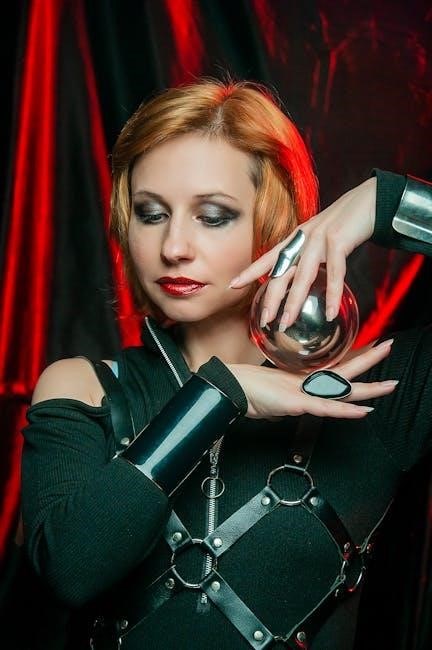
Scrying, an ancient divination method, involves gazing into a reflective surface – traditionally a crystal ball, mirror, or even a bowl of water – to induce altered states of consciousness and receive visions․ Modern witches utilize scrying to connect with spirit guides, explore past lives, or glimpse potential futures․
The process requires a darkened room, a focused mind, and a relaxed state․ The scryer softly gazes into the surface, allowing images and sensations to emerge without actively seeking them․ Patience is key, as visions may be subtle or symbolic․
Successful scrying demands practice and the ability to interpret the often-abstract imagery received․ It’s a powerful tool for self-discovery and accessing hidden knowledge, requiring careful record-keeping of experiences․
Herbalism and Correspondences
Herbalism is deeply interwoven with witchcraft, recognizing plants as potent sources of magical energy and healing properties․ Modern witches study botanical lore, learning which herbs correspond to specific deities, planets, or intentions – love, protection, prosperity, and more․
These ‘correspondences’ extend beyond herbs to colors, crystals, and even days of the week, creating a complex system for amplifying spellwork․ For example, rosemary is often linked to remembrance and protection, while lavender promotes peace and tranquility․
Ethical harvesting and respectful relationships with plant spirits are crucial․ Witches often grow their own herbs or source them sustainably, acknowledging the gifts of the natural world․
Working with Crystals
Crystals are valued by modern witches for their unique vibrational energies and ability to amplify intentions․ Each crystal is believed to possess specific properties – rose quartz for love, amethyst for spiritual connection, and citrine for abundance, to name a few․
Witches utilize crystals in various ways: carrying them, placing them on the body during meditation, incorporating them into spellwork, or creating crystal grids to manifest desired outcomes․ Cleansing crystals regularly is essential to remove accumulated energies․
Understanding crystal correspondences – linking them to planets, deities, or magical goals – enhances their effectiveness․ Responsible sourcing and respecting the Earth’s gifts are paramount․
Ritual and Ceremony
Ritual and ceremony form the backbone of many witchcraft practices, providing structured spaces to connect with the divine and manifest intentions․ These aren’t simply rote actions; they are deeply symbolic acts imbued with personal meaning and focused energy․
Rituals often involve creating sacred space, calling upon deities or spirits, chanting, visualization, and offerings; Ceremonies may mark seasonal changes (Sabbats) or life transitions․ The power lies in focused intention and the creation of a resonant energetic field․
Personalizing rituals to align with individual beliefs and paths is key․ Consistency and reverence amplify their effectiveness, fostering a deeper connection to the magical world․
Tools of the Witch
Witches utilize various tools—athames, wands, cauldrons, and Books of Shadows—each holding symbolic significance and aiding in directing energy for spellwork and ritual․
The Athame: A Ritual Knife
The athame is a distinctive ritual knife, often double-edged with a white or black handle, crucial in many witchcraft traditions, though rarely used for physical cutting․ It’s primarily a tool for directing energy during spellcasting and ritual work, symbolizing the element of Air and masculine energy․
Witches employ the athame to cast circles, invoking protective boundaries for their sacred space, and to draw down the moon or call upon deities․ It’s never used to harm or for mundane tasks; its purpose is strictly spiritual․ The athame’s blade represents willpower and focused intention, acting as an extension of the witch’s own energy․
Consecrating an athame—charging it with personal energy and intention—is a vital step, establishing a strong connection between the witch and the tool․ It becomes a powerful conduit for magical work, enhancing the effectiveness of spells and rituals․
The Wand: Directing Energy
The wand, a quintessential tool for witches, serves as a powerful instrument for directing and focusing magical energy․ Often crafted from wood, though other materials like crystal or metal are also used, the wand embodies the element of Fire and represents the witch’s will․ It’s a versatile tool, employed in spellcasting, energy work, and ritual practices․
Unlike the athame, the wand isn’t limited to symbolic cutting; it actively channels energy outward, projecting intention into the universe․ Witches use wands to draw symbols in the air, to activate energy grids, and to direct power towards specific targets․ The wood type influences the wand’s energy, with different trees offering unique properties․
Personalizing a wand through carving, painting, or adorning it with crystals strengthens the connection and enhances its magical potency, making it a truly unique extension of the witch’s power․
The Cauldron: Symbol of Transformation
The cauldron, deeply rooted in folklore and imagery, represents the womb of the Goddess and a potent symbol of transformation․ Historically used for practical purposes like cooking and brewing, the cauldron’s magical significance lies in its ability to contain, combine, and change substances – mirroring the alchemical process within the witch․
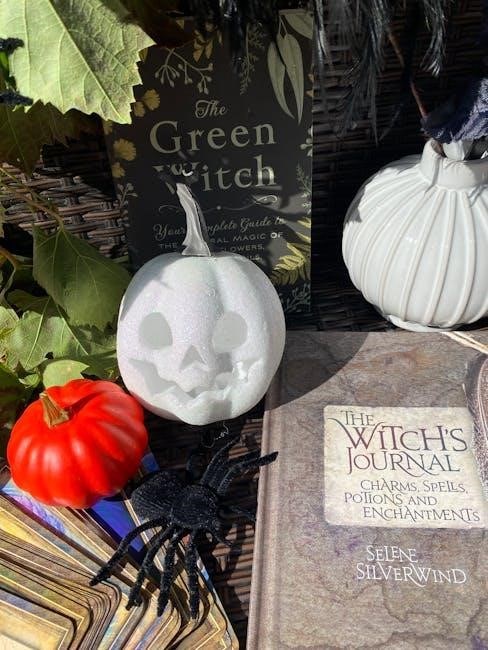
Beyond potion-making, cauldrons are used for scrying, meditation, and as an altar centerpiece․ They symbolize the cyclical nature of life, death, and rebirth, embodying the constant flux of energy․ Modern witches often use smaller cauldrons for incense burning or as vessels for charging crystals․
The cauldron isn’t merely a container; it’s a sacred space where ingredients merge, intentions are set, and magical workings come to fruition, representing profound inner and outer change․

The Book of Shadows: A Personal Grimoire
The Book of Shadows (BoS) is a witch’s personal record, a living grimoire containing spells, rituals, herbal correspondences, divination results, and personal magical insights․ Unlike standardized spellbooks, a BoS is uniquely tailored to the individual practitioner’s path and experiences․
Traditionally handwritten, modern BoS can also be digital, allowing for easy organization and updates․ It’s a space for experimentation, reflection, and the development of one’s own magical system․ Entries often include dates, moon phases, and detailed observations of spell outcomes․
The BoS isn’t just a collection of spells; it’s a sacred journal documenting a witch’s journey, a testament to their growth, and a powerful tool for future workings․
Ethics and Responsibility in Witchcraft
Witchcraft emphasizes ethical conduct, guided by principles like the Wiccan Rede – “An It Harm None, Do What Ye Will” – and the Law of Return․
The Wiccan Rede: “An It Harm None, Do What Ye Will”
The Wiccan Rede serves as a cornerstone of ethical practice, a guiding principle emphasizing personal responsibility and the avoidance of harm in all magical workings․ It isn’t a free pass for unchecked desire, but rather a call to carefully consider the consequences of one’s actions․
This tenet encourages witches to evaluate the potential impact of spells and rituals, ensuring they don’t infringe upon the free will of others or cause unintended negative outcomes․ It’s about mindful magic, recognizing that energy sent out will inevitably return – a concept closely tied to the Law of Return․
Understanding the nuance of “harm” is crucial; it extends beyond physical injury to encompass emotional, mental, and spiritual wellbeing․ Wiccans strive to operate within a framework of respect for all living things, promoting balance and harmony in their interactions with the world․
Karma and the Law of Return
Central to many witchcraft traditions is the understanding of Karma and the Law of Return, often summarized as “what you send out, comes back to you․” This isn’t necessarily a system of punishment or reward, but a fundamental principle of energetic reciprocity․ Every action, thought, and intention generates energy that eventually circles back to its source․
Spellcasting, therefore, isn’t viewed as manipulating fate, but as initiating a chain of energetic events․ Positive energy directed outwards tends to attract positive experiences, while negative energy can manifest as challenges or obstacles․
This concept reinforces the importance of ethical considerations, particularly when working with spells that aim to influence others․ Witches are encouraged to focus on self-improvement and positive manifestation, rather than attempting to control external circumstances through harmful means, acknowledging the inherent interconnectedness of all things․
Protecting Yourself Energetically
Witchcraft, while empowering, necessitates energetic self-defense․ Working with energies, especially during spellcasting or divination, can leave one vulnerable to unwanted influences․ Grounding techniques – visualizing roots extending from your body into the earth – are crucial for maintaining stability and preventing energy depletion․
Shielding, creating a protective barrier of energy around yourself, is another common practice․ This can be achieved through visualization, intention, or the use of protective crystals․ Cleansing rituals, like smudging with sage or using salt water, help remove negative energies accumulated from the environment or interactions․
Regularly practicing these techniques fosters energetic hygiene, ensuring a safe and balanced magical practice, and safeguarding against unwanted energetic attachments or psychic intrusions․
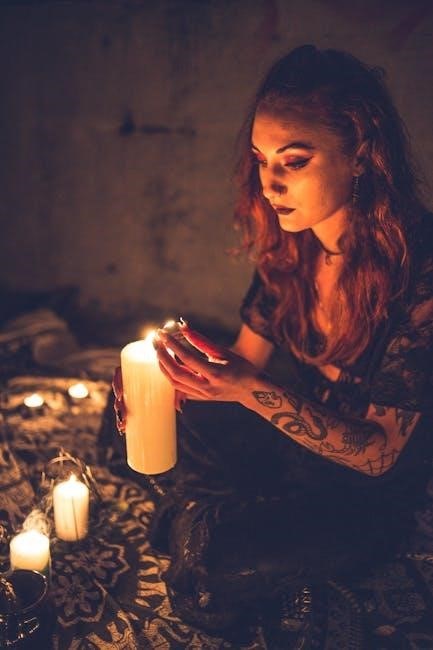
Resources for Modern Witches
Explore online forums, diverse books, and local shops to deepen your practice and connect with a thriving community of modern witches today․
Online Communities and Forums
The internet provides a vast network for modern witches to connect, learn, and share experiences․ Numerous online communities and forums cater to various paths within witchcraft, offering spaces for beginners and experienced practitioners alike․ Platforms like Reddit host active witchcraft subreddits, fostering discussions on spellcasting, divination, and ethical considerations․
Facebook groups dedicated to specific traditions, such as Wicca or herbalism, provide focused learning environments․ Discord servers offer real-time chat and collaborative projects․ These digital spaces allow witches to ask questions, receive guidance, and build relationships with like-minded individuals, overcoming geographical limitations․ However, it’s crucial to exercise discernment and prioritize respectful interactions within these online realms, ensuring a safe and supportive learning experience for all․
Books and Grimoires
Traditional learning for witches often begins with books, serving as foundational resources for understanding diverse practices․ Grimoires, personal books of spells, rituals, and magical knowledge, are central to many traditions․ Modern witchcraft boasts a wealth of published materials, ranging from introductory guides to in-depth explorations of specific paths like Wicca, herbalism, or divination․
Classic texts alongside contemporary works offer insights into history, theory, and practical application․ Authors provide guidance on spellcasting, crystal work, and ethical considerations․ Creating a personal Book of Shadows – a modern grimoire – allows witches to document their journey, customize spells, and develop a unique magical system․ Careful selection and critical evaluation of sources are vital for responsible practice․
Local Witchcraft Shops and Events
Connecting with the local witchcraft community offers invaluable support and resources for practitioners․ Witchcraft shops provide tools like crystals, herbs, candles, and ritual items, alongside expert advice․ These spaces often host workshops covering topics like tarot reading, spellcasting, and herbal remedy creation, fostering practical skill development․
Events, such as pagan festivals, workshops, and gatherings, create opportunities for networking, learning from experienced witches, and celebrating seasonal cycles․ These interactions build community and provide a safe space for sharing experiences․ Searching online directories and social media groups can reveal local shops and events․ Supporting local businesses strengthens the witchcraft community and promotes accessible magical education․