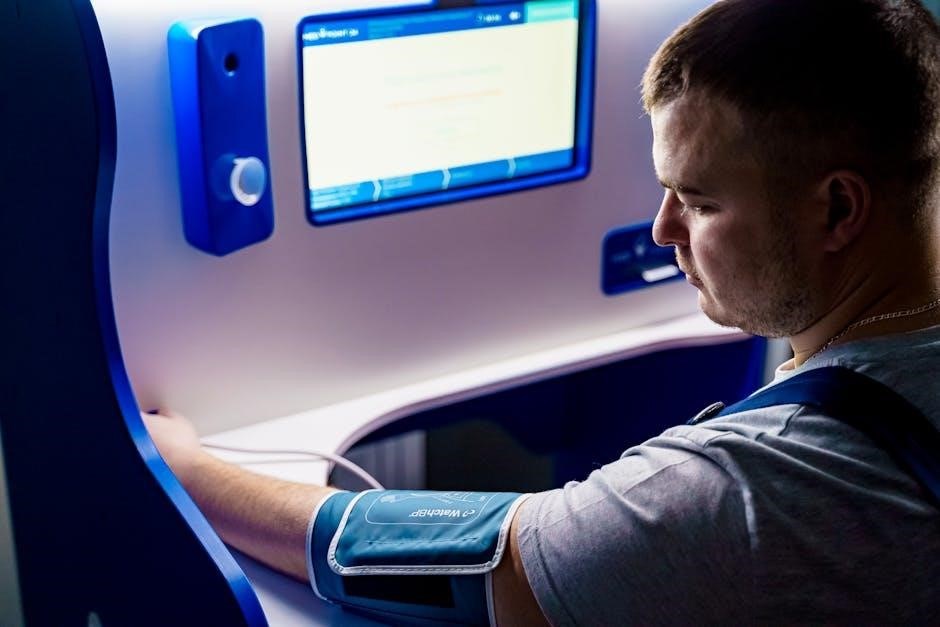
ReliOn Blood Pressure Monitor Instruction Manual: An Overview
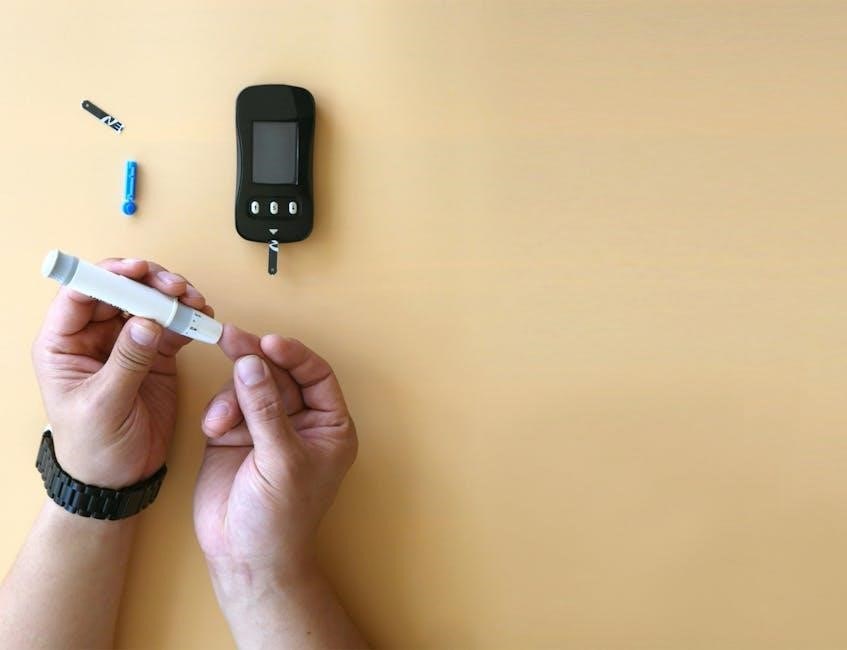
ReliOn monitors, like HEM-18SREL, HEM-412CREL, and BP300W, offer accessible health tracking. This manual details setup, measurement, and troubleshooting for accurate blood pressure readings.
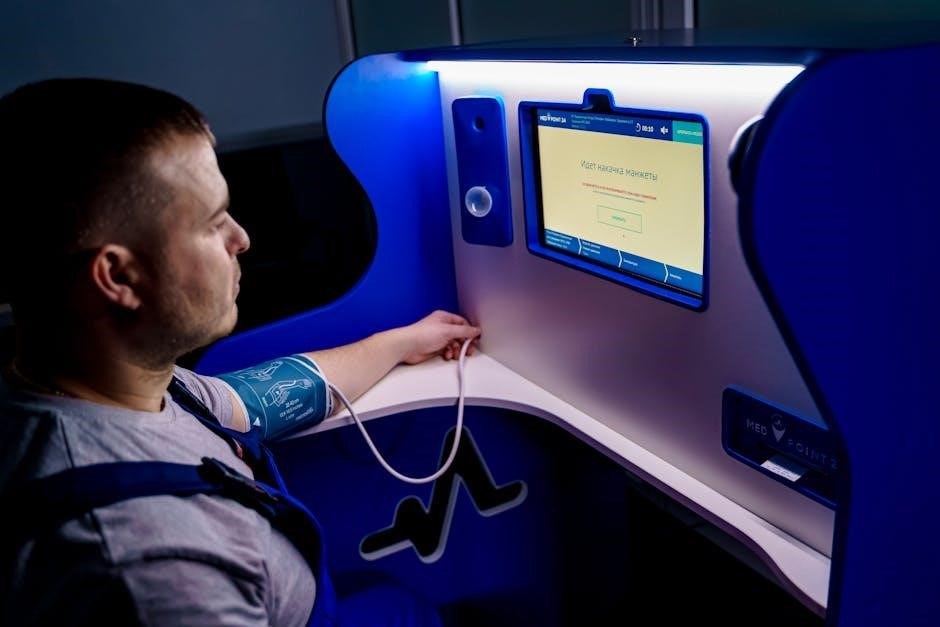
Understanding Your ReliOn Monitor
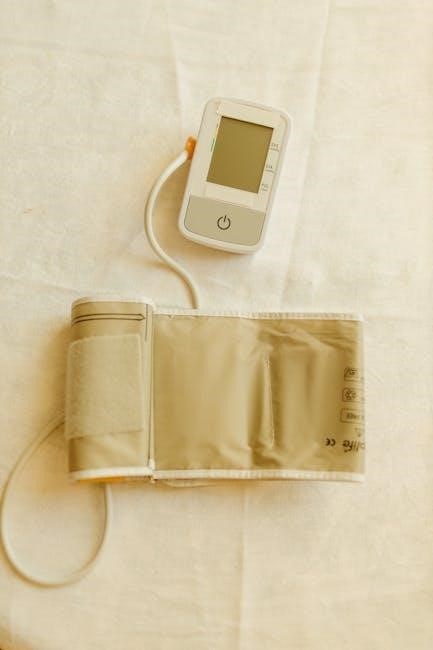
Your ReliOn blood pressure monitor is a vital tool for home health management, offering convenient tracking of your cardiovascular health. These monitors, available in various models like the HEM-741CREL and BP300W, utilize oscillometric technology to measure blood pressure and pulse rate. Familiarizing yourself with the components – cuff, monitor unit, and display – is crucial.
Understanding the display symbols, including heart rate indicators and error codes, will aid in accurate interpretation of readings. Regular use, coupled with understanding your individual readings, empowers proactive health management. Remember to consult your healthcare provider for personalized guidance and interpretation of results.
ReliOn Model Variations
ReliOn offers a range of blood pressure monitors to suit diverse needs. The HEM-18SREL is a basic, reliable model, while the HEM-412CREL often includes memory storage for tracking readings over time. For advanced features, the HEM-741CREL may offer compatibility with AC adapters. The HEM-780REL represents a further step up in functionality.
Additionally, the wrist-worn ReliOn BP300W (Model 6021RELN2) provides portability. Each model features slight variations in display, memory capacity, and power options. Understanding these differences helps you select the monitor best aligned with your health monitoring preferences and requirements.
HEM-18SREL Models
The ReliOn HEM-18SREL is a straightforward, battery-operated automatic arm blood pressure monitor. It’s designed for simplicity and ease of use, making it ideal for individuals new to home blood pressure monitoring. This model typically features a standard cuff size suitable for most adult arms.
While it may lack advanced features like extensive memory storage or data transfer capabilities found in higher-end models, the HEM-18SREL provides accurate readings when used correctly. Proper cuff placement and following the included instructions are crucial for reliable results. It’s a cost-effective option for basic health tracking.
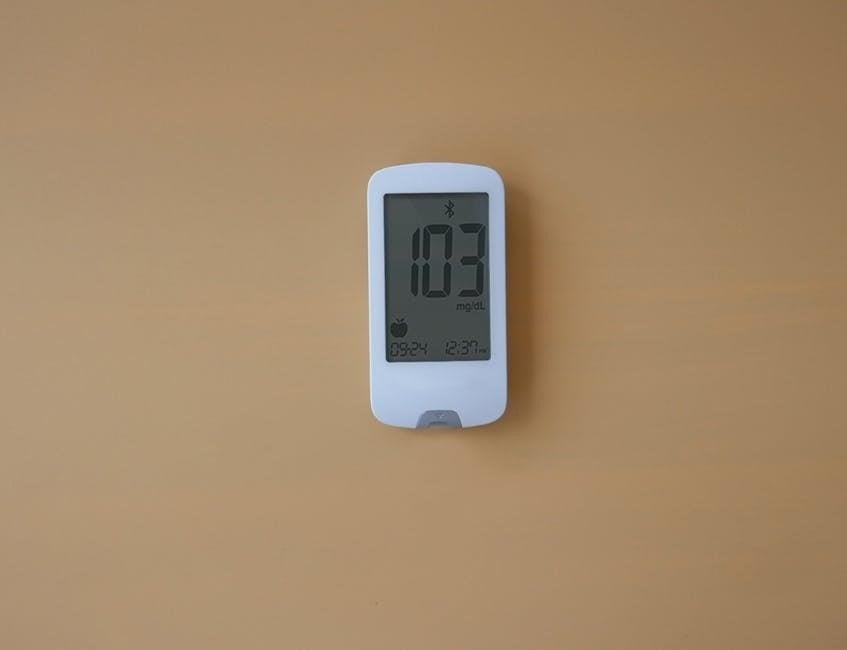
HEM-412CREL Models
The ReliOn HEM-412CREL model represents a step up in features from the HEM-18SREL. It’s an automatic arm blood pressure monitor, also battery-operated, but often includes an expanded memory function to store multiple readings. This allows users to track their blood pressure trends over time, providing valuable data for healthcare professionals.
Like other ReliOn models, accurate readings depend on correct cuff application and adherence to the instruction manual. The HEM-412CREL aims to balance affordability with useful functionality, making it a popular choice for regular home monitoring and managing cardiovascular health effectively.
HEM-741CREL Models
The ReliOn HEM-741CREL is a widely available automatic arm blood pressure monitor, frequently found at Walmart. It’s known for its user-friendly design and reliable performance in home healthcare settings. This model typically operates on batteries, offering portability and convenience. An AC adapter is also available for continuous power.
Users should consult the instruction manual for proper cuff placement and measurement techniques to ensure accuracy. The HEM-741CREL often features a memory function for tracking readings, aiding in monitoring blood pressure trends. Regular calibration and maintenance are recommended for optimal functionality;
HEM-780REL Models
The ReliOn HEM-780REL blood pressure monitor is designed for convenient and accurate home blood pressure monitoring. This model typically features a larger cuff size to accommodate a wider range of arm circumferences, enhancing comfort and measurement reliability. It often includes advanced features like irregular heartbeat detection and a memory function to store multiple readings.
Users benefit from clear display readings and simple operation. Proper cuff placement, as detailed in the instruction manual, is crucial for accurate results. Regular battery checks and maintenance contribute to the longevity and consistent performance of the HEM-780REL.
Package Contents
Upon opening your ReliOn Blood Pressure Monitor package, ensure all components are present. Typically, you should find the blood pressure monitor unit itself, along with a cuff designed to fit standard adult arm sizes. A set of batteries, usually AAA, are included to power the device immediately.
Crucially, the package also contains a detailed instruction manual outlining setup, operation, and troubleshooting. Some models may include an AC adapter for alternative power. Verify all listed items are present before proceeding; contact customer support if anything is missing.
Setting Up Your ReliOn Blood Pressure Monitor
Initial setup is straightforward. Begin by carefully removing the monitor and all accessories from the packaging. Before taking your first measurement, you’ll need to install the batteries, ensuring correct polarity as indicated within the battery compartment. Next, properly attach the cuff to the monitor, securing it firmly to the designated connector.
It’s vital to select the correct cuff size for accurate readings. Refer to the instruction manual for guidance. Once connected, familiarize yourself with the monitor’s buttons and display before proceeding to take a measurement.
Installing Batteries
To begin, locate the battery compartment, typically found on the back or side of the monitor. Gently slide open the compartment cover. Insert the required number of batteries – usually AA or AAA – matching the polarity markings (+ and -) inside the compartment. Incorrect battery insertion can damage the device and void the warranty.
Ensure the batteries are fresh for optimal performance and accurate readings. Once the batteries are securely in place, close the compartment cover until it clicks shut. The monitor should briefly display a self-test message, confirming proper battery installation.
Attaching the Cuff Correctly
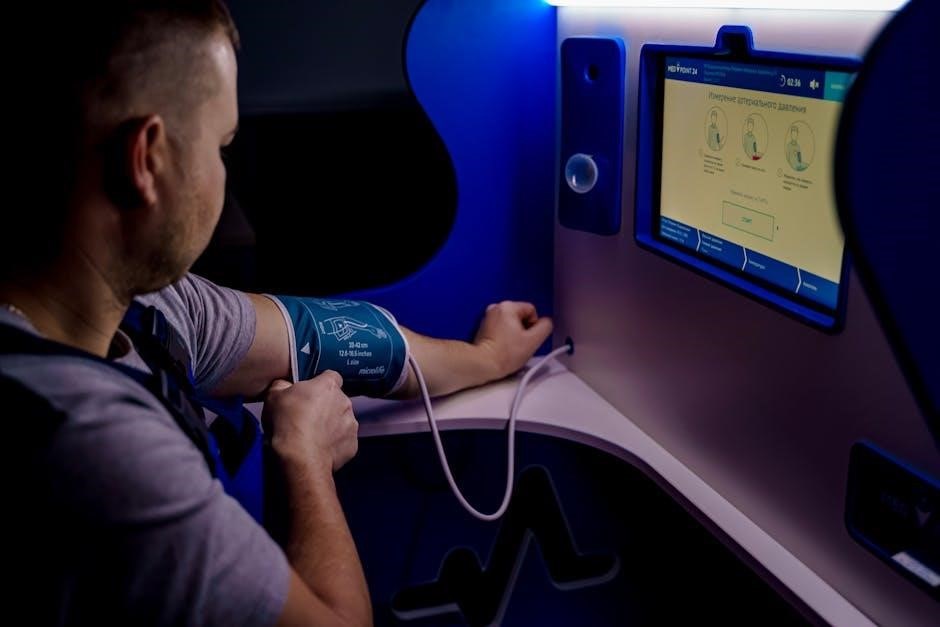
Proper cuff attachment is crucial for accurate readings. Position the cuff on your upper arm, approximately one inch above your elbow. Ensure the artery mark on the cuff aligns with your brachial artery. The cuff should be snug, but not too tight – you should be able to slide one finger comfortably underneath the edge.
Avoid positioning the cuff over clothing, as this can distort the measurement. If using with a larger arm circumference, ensure you have the correct cuff size to avoid inaccurate results. Secure the cuff firmly with the provided hook and loop fastener.
Taking a Blood Pressure Measurement
Before starting, ensure you’ve rested for five minutes. Sit comfortably with your back supported and feet flat on the floor. Position your arm at heart level, supported if needed. Attach the cuff correctly, as detailed previously. Press the ‘Start’ button and remain still and quiet during the measurement process.
Avoid talking or moving your arm while the cuff inflates and deflates. The monitor will automatically display your systolic and diastolic pressure, along with your pulse rate. Note these readings for tracking and potential consultation with a healthcare professional.
Proper Positioning and Arm Placement
To ensure accurate readings, sit quietly for five minutes with your back supported and feet flat. Position your arm at heart level – typically, mid-chest height. Support your arm on a flat surface if necessary, ensuring it remains relaxed. The inside of your upper arm should be bare; avoid measuring over clothing.
The cuff should be placed approximately one inch above your elbow. Ensure the artery marker on the cuff aligns with your brachial artery. Incorrect positioning can significantly affect the accuracy of your blood pressure measurement, leading to unreliable results.
Starting the Measurement Process
Once correctly positioned, press the ‘Start’ button on your ReliOn monitor. Remain still and silent throughout the measurement – talking or moving can inflate readings. The cuff will automatically inflate, and you’ll feel pressure on your arm. This process usually takes around 20-30 seconds.
The monitor will then slowly deflate the cuff while displaying your systolic and diastolic blood pressure, along with your pulse rate. Avoid exhaling or changing your posture during deflation. After the measurement, record your results for tracking and sharing with your healthcare provider.
Understanding Your Readings
Your ReliOn monitor displays two key numbers: systolic and diastolic pressure. Systolic pressure, the top number, measures pressure when your heart beats. Diastolic, the bottom number, reflects pressure when your heart rests between beats. Normal blood pressure is generally considered to be around 120/80 mmHg, but individual targets vary.
Alongside blood pressure, the monitor shows your pulse rate – beats per minute. A normal resting pulse rate typically falls between 60 and 100 bpm. Regularly tracking these readings helps monitor cardiovascular health and identify potential concerns. Consult your doctor for interpretation.
Systolic and Diastolic Pressure
Systolic pressure represents the maximum arterial pressure during heart contraction – the higher number displayed. Normal systolic readings generally fall below 120 mmHg. Elevated readings (120-129 mmHg) indicate prehypertension, while 130 mmHg or higher suggests hypertension. Diastolic pressure measures arterial pressure when the heart relaxes between beats – the lower number.
Ideally, diastolic pressure should be less than 80 mmHg. Readings between 80-89 mmHg are considered prehypertension, and 90 mmHg or above signify hypertension. Understanding both values provides a comprehensive view of your cardiovascular health. Consistent monitoring and doctor consultation are crucial.
Pulse Rate Interpretation
Your ReliOn monitor also displays your pulse rate, measured in beats per minute (BPM). A normal resting pulse rate for adults typically ranges between 60 and 100 BPM. However, this can vary based on fitness level, stress, medication, and other factors. Athletes often have lower resting pulse rates.
Consistently high or low pulse rates outside the normal range warrant medical attention. Elevated rates may indicate stress, dehydration, or underlying medical conditions. Irregular pulse rhythms should also be reported to a healthcare professional for proper evaluation and diagnosis. Regular monitoring aids early detection.
Memory Function and Data Recall
Many ReliOn blood pressure monitors feature a memory function to store previous readings, allowing you to track your blood pressure trends over time. The capacity varies by model; some store dozens, even hundreds, of measurements. To access stored data, use the “Memory” or “Recall” button on your device.
The monitor typically displays the average reading for each session, along with the date and time. Regularly reviewing your readings can help you and your doctor assess the effectiveness of any treatment plans and identify potential health concerns. Ensure you understand your specific model’s memory capabilities.

Troubleshooting Common Issues
If your ReliOn monitor displays an error code, consult the manual for its meaning. Inaccurate readings can stem from improper cuff placement, movement during measurement, or low batteries. Ensure the cuff fits snugly but not too tightly, and remain still throughout the process.
If errors persist, replace the batteries or check the AC adapter connection (for compatible models like HEM-741CREL). Regularly calibrate the device as recommended. If issues continue, contact customer support or consider a replacement for reliable blood pressure monitoring.
Error Codes and Their Meanings
ReliOn blood pressure monitors utilize error codes to signal potential issues. A common error indicates a cuff pressure problem – ensure the cuff is correctly attached and not leaking air. Other codes may signify irregular heartbeat detection, prompting a re-test in a calm environment.
A “Low Battery” indicator requires immediate replacement. Consult your specific model’s manual (e.g., HEM-741CREL) for a complete list of codes and their corresponding solutions. Ignoring error codes can lead to inaccurate readings, hindering effective health management.
Addressing Inaccurate Readings
ReliOn monitor inaccuracies often stem from improper technique. Ensure correct cuff placement – snug but not tight – and a relaxed posture during measurement. Avoid caffeine, exercise, and smoking for 30 minutes beforehand. If readings consistently vary, check battery levels and cuff integrity.
Compare readings taken at different times of day. If discrepancies persist, consult a healthcare professional. Models like the HEM-18SREL require consistent arm positioning. Remember, self-monitoring is a tool, not a diagnosis; professional validation is crucial.
Cleaning and Maintenance
ReliOn blood pressure monitors require gentle care to ensure accuracy and longevity. Regularly wipe the monitor and cuff with a soft, slightly damp cloth. Avoid harsh chemicals or abrasive cleaners, as these can damage the device. Do not immerse the monitor in water.
Inspect the cuff for cracks or wear, replacing it if necessary. Proper storage, away from direct sunlight and extreme temperatures, is also vital. Consistent cleaning maintains hygiene and reliable performance, contributing to accurate health monitoring with models like HEM-741CREL.

Battery Replacement
ReliOn blood pressure monitors operate on batteries, typically AA or AAA, depending on the model. When the low battery indicator appears, replace all batteries simultaneously with new ones of the same type. Avoid mixing old and new batteries. Refer to your specific model’s instructions – like the BP300W – for the battery compartment location.
Ensure correct polarity during installation. Dispose of used batteries responsibly, following local regulations. Prompt battery replacement guarantees accurate readings and continuous operation of your ReliOn monitor, preventing interruptions in health tracking.
Safety Precautions
ReliOn blood pressure monitors are for home use only and should not replace professional medical advice. Do not use the monitor during physical activity or while experiencing significant stress. Individuals with certain medical conditions, such as arrhythmias, should consult their doctor before use.
Keep the device dry and avoid extreme temperatures. Never disassemble or attempt to repair the monitor yourself. Ensure the cuff is not applied over injured areas or clothing that restricts circulation. Regular calibration is recommended for continued accuracy, ensuring reliable health monitoring with your ReliOn device.
AC Adapter Compatibility (HEM-741-CREL)
The ReliOn HEM-741-CREL model is compatible with a specific AC adapter for continuous power. Ensure the adapter’s voltage and polarity match the monitor’s requirements to prevent damage. Using an incompatible adapter may void the warranty and compromise accuracy.
Look for adapters specifically designed for Omron blood pressure monitors, as they often share compatibility. A suitable adapter provides a stable power source, eliminating the need for frequent battery replacements. Always disconnect the adapter when not in use, and inspect the cord for any signs of damage before each use.
ReliOn BP300W Wrist Monitor Instructions (Model 6021RELN2)
The ReliOn BP300W (6021RELN2) offers convenient wrist-based blood pressure monitoring. This model requires proper positioning on the wrist, ensuring the device is at heart level for accurate readings. Familiarize yourself with the comprehensive instruction manual for detailed setup and operation guidance.

The manual covers cuff attachment, measurement procedures, and interpreting results. It also includes troubleshooting tips for common issues and guidance on device care and maintenance. Accessing the full manual is crucial for maximizing the benefits and ensuring reliable performance of your wrist monitor.