Goodman Furnace Instruction Manual: A Comprehensive Guide
This manual details Goodman furnace features, functionality, and troubleshooting, offering insights from Flame Furnace’s Dave Goodman on maintenance and operation as of 02/02/2026.
Understanding Your Goodman Furnace
Your Goodman furnace is a sophisticated heating system designed for reliable and efficient performance. This section introduces the core principles of operation, helping you grasp how your unit delivers warmth. Familiarizing yourself with its components – as explored in Flame Furnace’s training – is crucial for effective maintenance and troubleshooting.
Goodman furnaces utilize gas combustion to generate heat, distributing it throughout your home via a network of ducts. Understanding the ignition sequence, gas valve function, and blower motor operation (detailed later) will empower you to identify potential issues. Regular review of this manual, alongside specific model documentation, ensures optimal functionality and longevity. Remember, proper understanding enhances safety and efficiency.
Safety Precautions & Warnings
Prioritizing safety is paramount when dealing with your Goodman furnace. Disconnect power at the breaker before any inspection or maintenance – a critical step emphasized by service instructors like Dave Goodman at Flame Furnace. Never attempt repairs beyond your expertise; improper handling can lead to gas leaks, carbon monoxide poisoning, or electrical shock.
Always ensure adequate ventilation during operation. Regularly test carbon monoxide detectors. Do not store flammable materials near the furnace. If you smell gas, immediately evacuate and contact your gas company. This manual provides guidance, but professional service is recommended for complex issues. Ignoring these warnings could result in severe injury or property damage. Adherence to these precautions guarantees safe operation.

Furnace Components & Their Functions
A Goodman furnace comprises several key components working in harmony. The gas valve regulates gas flow to the burners, initiating combustion within the heat exchanger – where heat is generated. A blower motor and assembly then circulate this warmed air throughout your home via ductwork. The control board acts as the ‘brain’, orchestrating the ignition sequence and monitoring safety parameters.
Understanding these functions is crucial for basic troubleshooting. Regular inspection, as demonstrated by Flame Furnace’s training, ensures optimal performance. The regulator maintains consistent gas pressure. Proper component function guarantees efficient heating and safe operation. Familiarizing yourself with these parts aids in identifying potential issues and communicating effectively with service professionals.

Blower Motor & Assembly
The blower motor and assembly are vital for distributing heated air. This component draws cool air from return ducts, forces it across the heat exchanger, and then delivers warm air through supply vents. Proper operation ensures consistent and even heating throughout your home. Regular maintenance, highlighted in Flame Furnace’s training, involves checking for obstructions and ensuring the motor spins freely.
A malfunctioning blower motor can manifest as weak airflow or no heat at all. Inspecting the motor’s capacitor and bearings is crucial during routine checks. A noisy motor often indicates wear or a failing component. Ensuring the assembly is clean and unobstructed maximizes efficiency and extends the lifespan of your Goodman furnace.
Gas Valve & Regulator
The gas valve and regulator precisely control the flow of natural gas or propane to the burners. This system ensures safe and efficient combustion, delivering the necessary heat for your home. The regulator maintains consistent gas pressure, regardless of fluctuations in the supply line, vital for optimal furnace performance. Dave Goodman of Flame Furnace emphasizes the importance of qualified technicians handling any gas valve adjustments.
A faulty gas valve can lead to insufficient heating, or, more dangerously, gas leaks. Signs of a problem include a yellow flame, inconsistent heating, or a gas odor. Never attempt to repair the gas valve yourself; always contact a certified HVAC professional for inspection and repair. Regular professional maintenance is key to safe operation.
Heat Exchanger & Burners
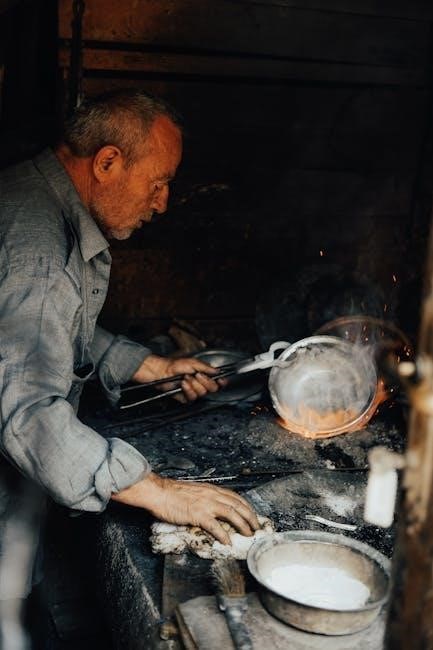
The heat exchanger is the critical component where combustion gases transfer heat to the airflow, warming your home. Burners mix gas and air for efficient combustion within the heat exchanger. A properly functioning system ensures complete combustion, maximizing efficiency and minimizing harmful emissions. Dave Goodman, during his instruction at Flame Furnace, highlighted the importance of visually inspecting burners for proper flame characteristics – a clean, blue flame indicates efficient combustion.
Cracks in the heat exchanger are a serious safety concern, potentially releasing carbon monoxide. Regular professional inspection is crucial. Dirty or malfunctioning burners can cause incomplete combustion, reducing efficiency and potentially creating soot. Maintaining clean burners contributes to safe and effective heating.
Initial Startup & Basic Operation
Before initial startup, verify the gas supply is on and the thermostat is properly configured. Ensure the air filter is clean and the furnace area is clear of obstructions. Upon powering on, the furnace will initiate its ignition sequence – a process detailed in the control board section of this manual. Listen for the induced draft fan to start, followed by the gas valve opening and ignition of the burners.

Basic operation involves setting the desired temperature on your thermostat. The furnace will cycle on and off to maintain that temperature. Familiarize yourself with the thermostat’s settings for fan control (auto or on) and heating mode. As observed during training at Flame Furnace, understanding these basics ensures comfortable and efficient heating.
Thermostat Compatibility & Settings
Goodman furnaces are compatible with a wide range of thermostats, including both mechanical and digital models. However, for optimal performance and access to advanced features, a programmable thermostat is recommended. Key settings to understand include ‘heat’ mode, fan control (auto or on), and temperature scheduling.
Ensure your thermostat wiring matches the furnace’s terminal designations – incorrect wiring can cause malfunctions. Many modern thermostats offer features like remote access and energy usage monitoring. Consult your thermostat’s manual for specific programming instructions. Proper thermostat configuration, as emphasized in Flame Furnace training, is crucial for efficient operation and cost savings.
Air Filter Replacement & Maintenance
Regular air filter replacement is paramount for maintaining your Goodman furnace’s efficiency and air quality. A dirty filter restricts airflow, forcing the blower motor to work harder and potentially leading to overheating. Goodman recommends checking the filter monthly and replacing it every 1-3 months, depending on usage and environmental factors.
Use the correct filter size and type as specified in your furnace’s documentation. During maintenance training at Flame Furnace, technicians highlighted the importance of proper filter sealing to prevent air bypass. A clean filter improves heating performance, extends furnace lifespan, and reduces energy consumption. Ignoring this simple task can void warranty coverage.
Routine Maintenance Checklist
Consistent maintenance ensures optimal Goodman furnace performance and longevity. This checklist, informed by service instruction at Flame Furnace, includes verifying proper airflow by checking and replacing the air filter monthly. Inspect the blower motor and assembly for debris and ensure smooth operation. Visually examine the burners for cleanliness and proper flame characteristics.
Regularly inspect the flue pipe for any signs of corrosion or blockage, ensuring safe exhaust venting. Professional annual inspections are crucial, covering gas valve calibration and heat exchanger integrity. Following this routine, as demonstrated by Dave Goodman, minimizes breakdowns and maximizes efficiency, contributing to lower energy bills and a comfortable home environment.
Cleaning the Burners
Maintaining clean burners is vital for efficient combustion and safe furnace operation. As highlighted during Flame Furnace’s service training with Dave Goodman, begin by completely shutting off the gas supply and power to the furnace. Carefully remove the burner assembly, following the manufacturer’s instructions in your specific Goodman furnace manual.
Use a soft brush and vacuum to remove any dust, debris, or soot from the burners and burner ports. Avoid using liquids or abrasive cleaners, as these can damage the components. Inspect the burners for corrosion or damage; replace if necessary. Reassemble the burner assembly carefully, ensuring proper alignment, before restoring gas and power. Regular cleaning, guided by professional instruction, optimizes performance.
Inspecting the Flue Pipe
A properly functioning flue pipe is crucial for safely venting combustion gases. Regular inspection, as emphasized by service instructors like Dave Goodman at Flame Furnace, is essential. Visually examine the entire length of the flue pipe for signs of rust, corrosion, holes, or disconnections. Ensure all joints are securely sealed to prevent carbon monoxide leaks.
Check for any obstructions, such as bird nests or debris, that could block the flow of exhaust. Look for soot buildup, which may indicate incomplete combustion. If damage is detected, immediately discontinue furnace use and contact a qualified HVAC technician for repair or replacement. A compromised flue pipe poses a serious safety hazard, demanding prompt attention.
Troubleshooting Common Issues
Encountering problems with your Goodman furnace can be stressful, but many issues have simple solutions. This section addresses frequent concerns, drawing upon insights from Flame Furnace’s Dave Goodman’s training. Common problems include a lack of heat, a malfunctioning blower motor, or unusual noises during operation.
Before attempting any repairs, ensure the furnace is powered off. If no heat is present, check the thermostat settings and fuel supply. A noisy blower motor might indicate a failing component or obstruction. Strange sounds often signal mechanical issues requiring professional attention. Remember, safety is paramount; if unsure, consult a qualified HVAC technician for diagnosis and repair.
No Heat – Possible Causes
A lack of heat from your Goodman furnace can stem from several sources, requiring systematic investigation. First, verify the thermostat is correctly set to “Heat” and the desired temperature. A tripped circuit breaker or blown fuse will immediately halt operation; check your electrical panel. Insufficient gas supply, a faulty gas valve, or a pilot light issue (if applicable) are also common culprits.
Furthermore, a malfunctioning flame sensor, a blocked air filter, or a problem with the furnace’s ignition system can prevent heating. Dave Goodman of Flame Furnace emphasizes the importance of checking these basic components before calling for service. Always prioritize safety and consult a professional if you’re uncomfortable troubleshooting gas-related issues.
Blower Motor Not Working
If your Goodman furnace isn’t distributing heat, a non-functioning blower motor is a likely cause. Begin by checking the electrical supply – a tripped breaker or blown fuse can immediately disable the motor. A faulty blower motor capacitor is a frequent issue, often requiring replacement by a qualified technician. Inspect the motor itself for any visible signs of damage, such as burnt wiring or a physically stuck rotor.
Additionally, a blocked air filter restricts airflow, potentially causing the motor to overheat and shut down. Dave Goodman highlights the importance of regular filter changes. A malfunctioning furnace control board could also prevent the motor from receiving power. Professional diagnosis is recommended for complex electrical issues.
Strange Noises During Operation
Unusual sounds emanating from your Goodman furnace often indicate underlying problems requiring attention. Rattling noises could stem from loose panels or ductwork, easily addressed with tightening screws. Whistling sounds might suggest a restricted airflow, potentially caused by a dirty air filter – a key maintenance point emphasized by Dave Goodman. Squealing noises frequently point to a failing blower motor bearing, necessitating professional repair or replacement.
Banging or popping sounds could indicate issues with the heat exchanger or gas valve, demanding immediate inspection by a qualified technician. Ignoring these noises can lead to more significant and costly damage. Always prioritize safety and consult a professional for any concerning sounds.
Error Codes & Their Meanings
Goodman furnaces utilize a diagnostic system displaying error codes to pinpoint malfunctions. These codes, visible on the control board or thermostat (depending on the model), offer valuable clues for troubleshooting. A code indicating a flame rollout issue suggests a problem with the burners or gas valve, requiring professional attention; Error codes related to the blower motor often signify motor failure or electrical issues.
Codes referencing the gas valve could indicate a faulty valve or gas supply problem. Refer to your specific model’s manual for a complete list of error codes and their corresponding solutions. Ignoring error codes can lead to further damage and unsafe operating conditions; prompt diagnosis is crucial.

Gas Furnace Ignition Sequence Explained
The gas furnace ignition sequence begins with a call for heat from your thermostat. This signals the control board to initiate the process, first checking for safety conditions like proper venting and gas supply. Next, the inducer motor starts, venting existing combustion gases and creating a negative pressure. The gas valve opens, releasing gas to the burners.
Simultaneously, the igniter (hot surface or spark) ignites the gas-air mixture. Once a flame is detected by the flame sensor, the control board allows the burners to remain lit and the blower motor activates, distributing heated air. Understanding this sequence aids in diagnosing ignition failures, often linked to the flame sensor, gas valve, or igniter itself.
Understanding the Goodman Furnace Control Board
The Goodman furnace control board is the brain of the system, orchestrating all operational functions. It receives signals from the thermostat, flame sensor, and other components, then manages the ignition sequence, blower motor, and gas valve. Modern boards utilize integrated circuits and relays for precise control and diagnostic capabilities.
Key functions include safety monitoring, preventing operation under unsafe conditions, and error code generation for troubleshooting. Understanding the board’s layout and component locations is crucial for service technicians. Accessing the board requires disconnecting power; always prioritize safety. Proper diagnosis often involves checking voltage levels and continuity, utilizing a multimeter and referencing the specific model’s wiring diagram.
Finding Specific Model Information & Manuals
Locating the correct documentation for your Goodman furnace is essential for proper maintenance and repair. Start by identifying your furnace’s complete model and serial number, typically found on the unit’s nameplate. Goodman’s official website offers a comprehensive database of manuals, searchable by model number.
Alternatively, you can often find manuals through online HVAC parts retailers or dedicated documentation websites. Ensure the manual matches your exact model, as variations exist even within the same series. If you’re unable to locate a digital copy, contact Goodman’s customer support directly, providing your model and serial number for assistance. Having the correct manual streamlines troubleshooting and ensures safe operation.
Professional Service & Warranty Information
While this manual provides guidance, certain repairs and maintenance tasks should only be performed by a qualified HVAC technician. Improper servicing can void your warranty and create safety hazards. Goodman furnaces are backed by varying warranty periods depending on the model and components – check your specific warranty documentation for details.
To locate authorized Goodman dealers and service providers in your area, utilize the dealer locator tool on the Goodman website. Keep records of all service performed, including dates, descriptions, and technician information. Understanding your warranty coverage and having access to professional service ensures the longevity and efficient operation of your Goodman furnace.